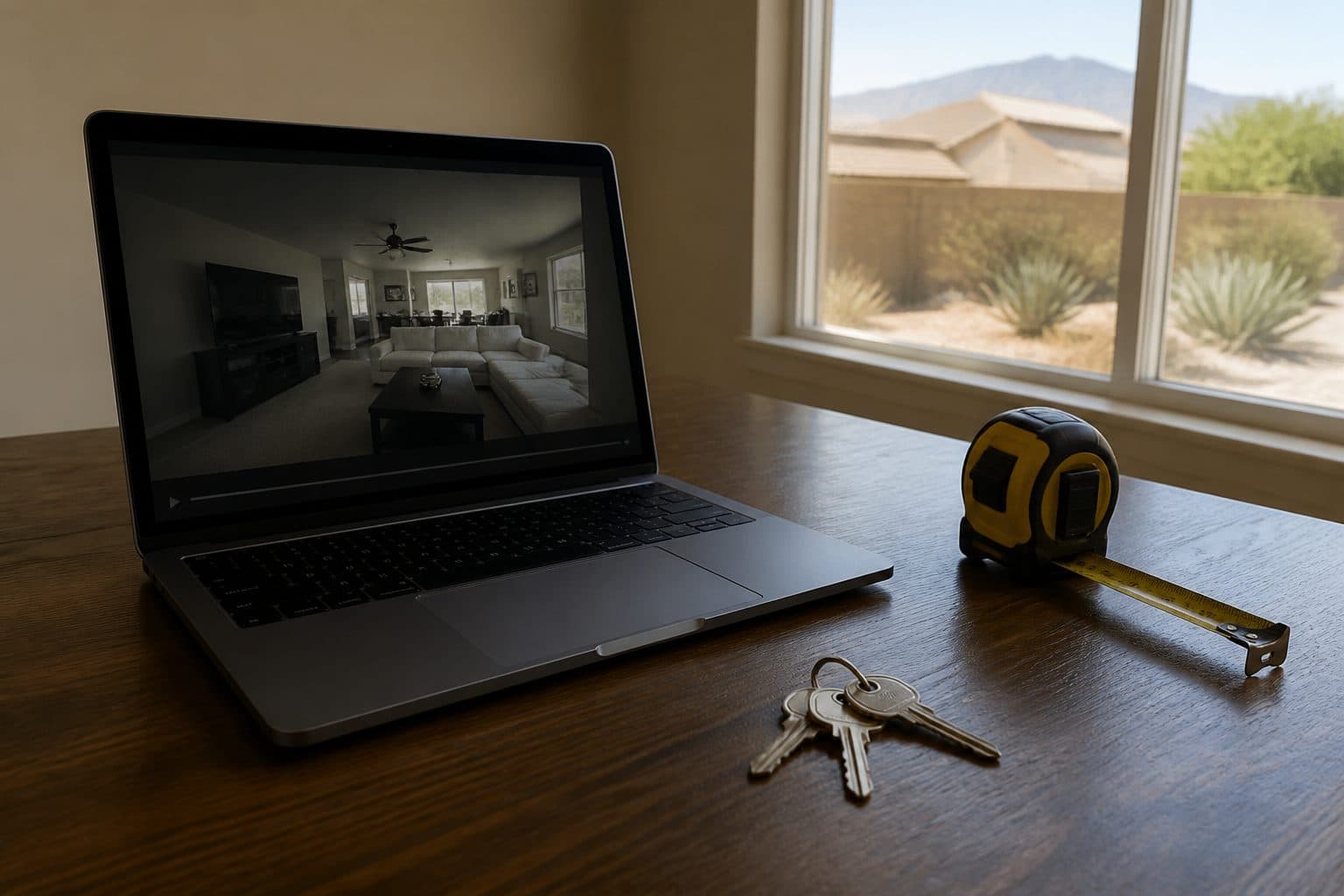
The reduced-showing process
Each step exists to spend the client's physical energy only on listings that already passed a documented check.
Direct answer
The reduced-showing process has six steps: intake of required access features, remote video tour, glossary verification, a shortlist of two or three finalists, in-person visits only to those finalists, then offer and close with the same feature checklist.
reduced-showing process · remote property tour Las Vegas · accessibility feature sheet
What are the six steps?
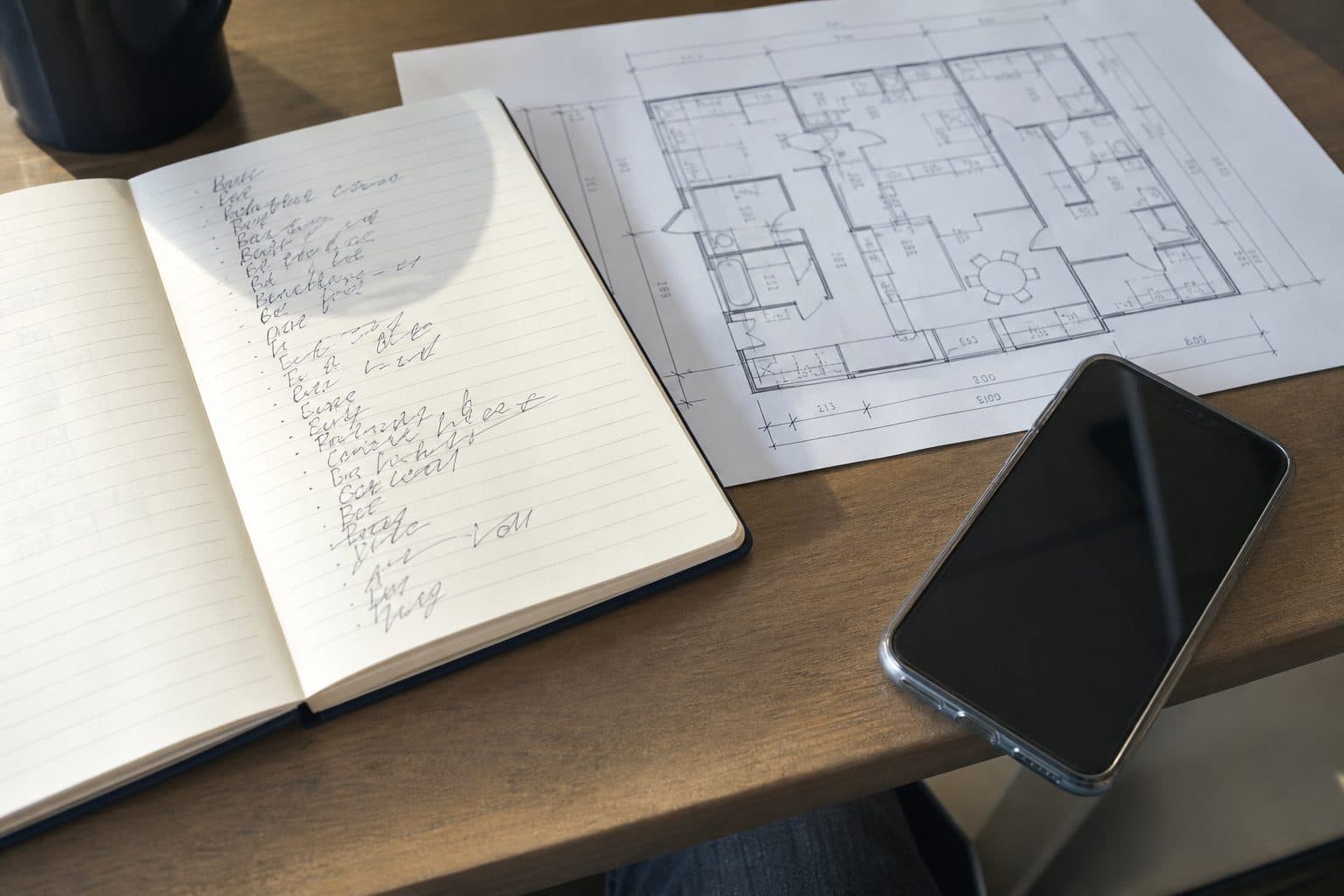
1. Intake: write down the constraints
We record the access features that are required, the ones that are useful, and the ones that are irrelevant for this search. The glossary on this site is the checklist. The output is a one-page brief you can reuse with a lender, an occupational therapist, or a discharge planner.
What you have to do: One call or a short written list. Photos of current equipment help. In-person meeting is optional.
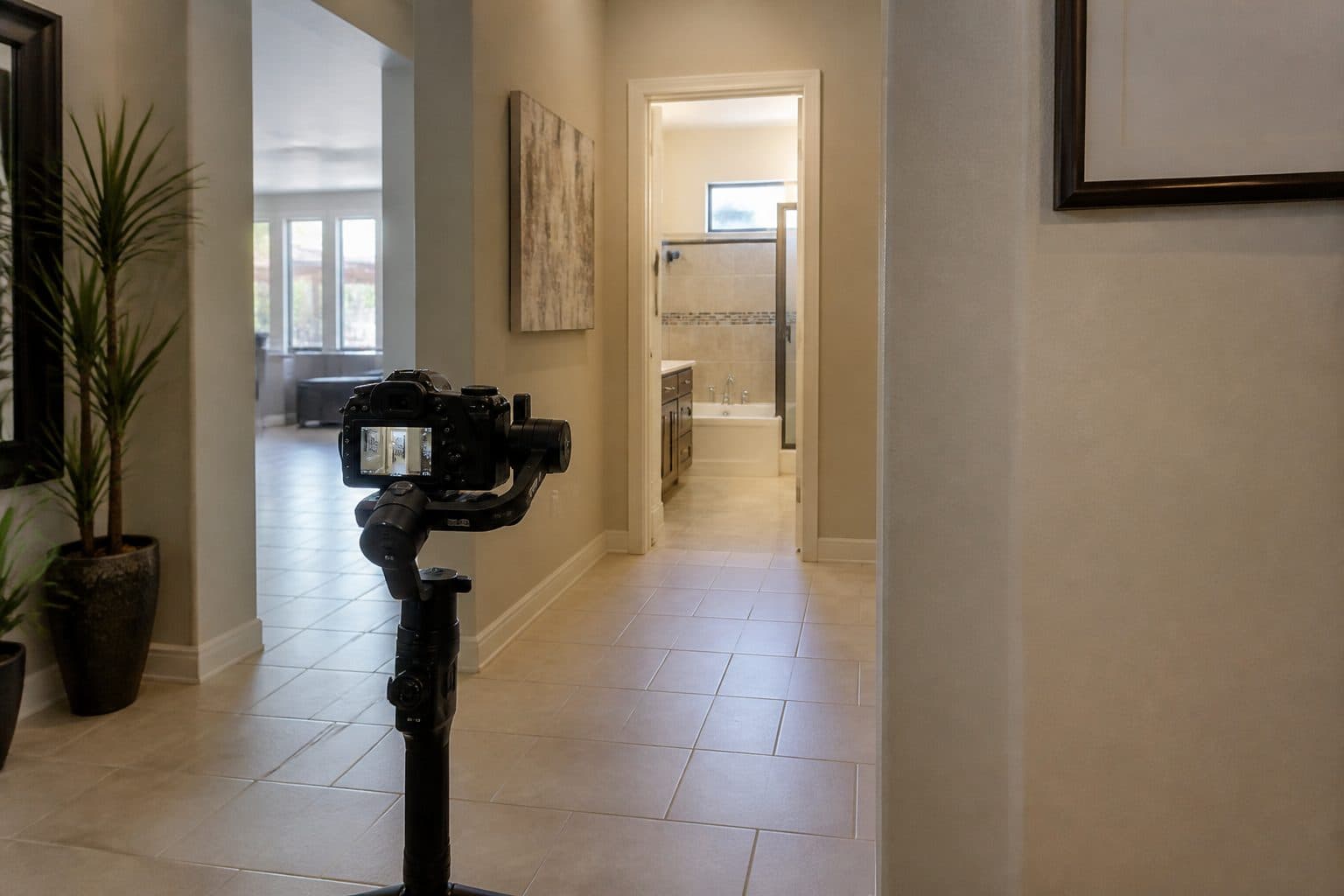
2. Remote tour first
Listings are toured on video before anyone spends energy on a showing. We walk the arrival route, door widths, bathrooms, and kitchen on camera, pause at measurements, and save stills against the brief. If a listing fails a required item, it does not get a drive-out.
What you have to do: Watch the recording or join live. You do not have to leave home.
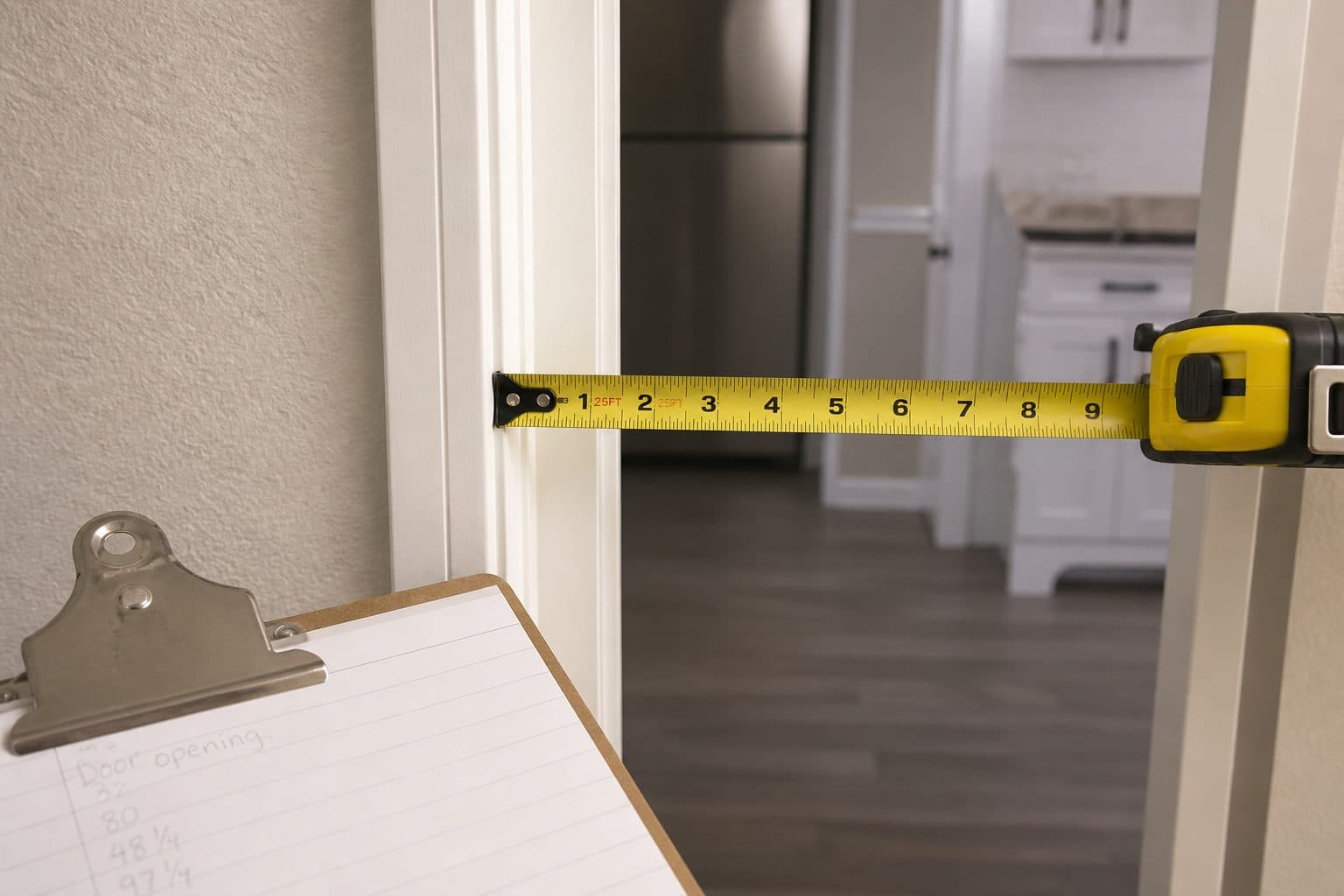
3. Verify features against the glossary
Each remaining listing gets a feature sheet: measured door clearances, threshold heights, shower curb, route widths, and notes on lighting. We do not describe who should live there. We describe what the building does.
What you have to do: Nothing required. Review the sheet if you want to drop or keep a listing.
4. Shortlist two or three finalists
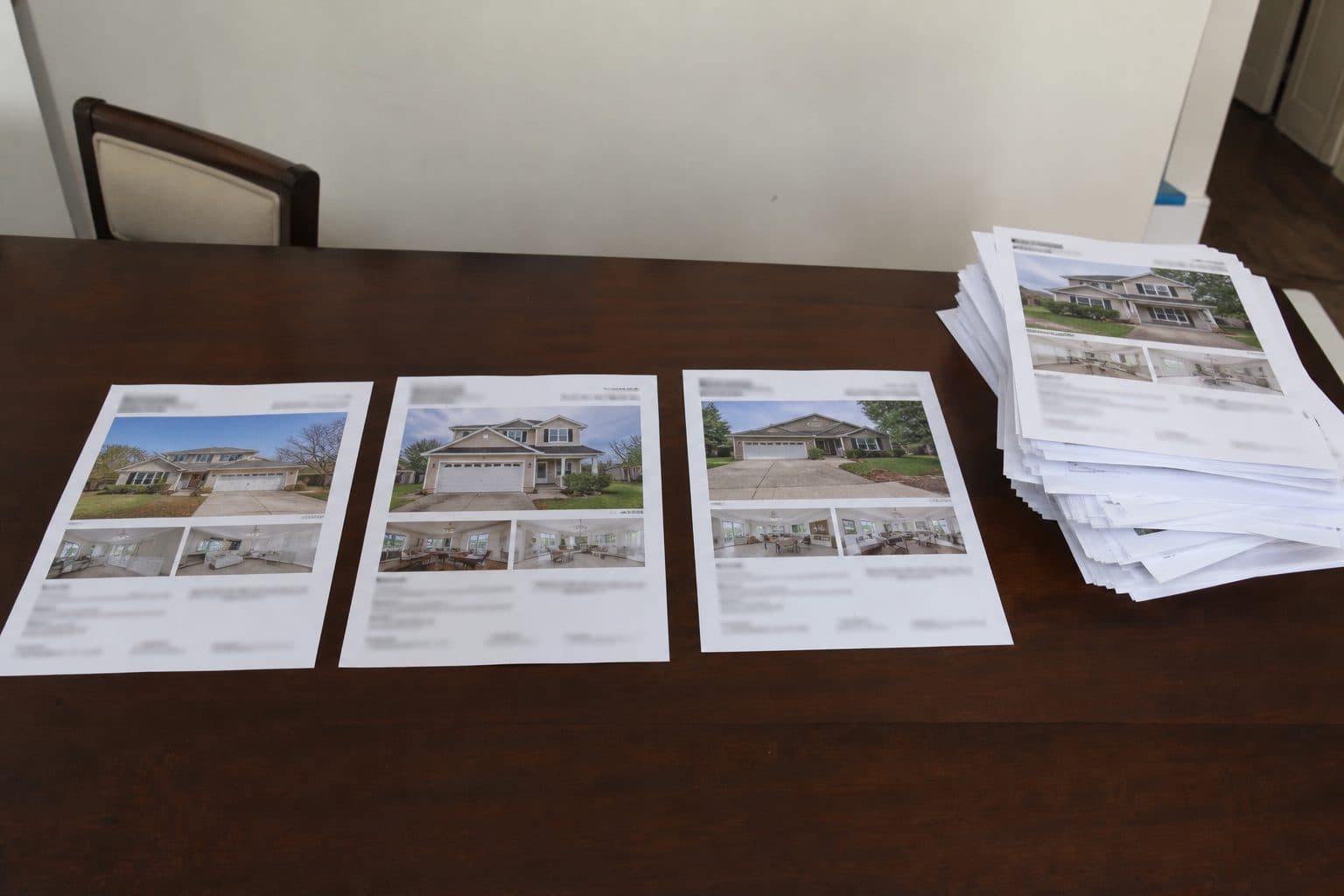
The list is cut to the properties that already passed the required items. That is the set worth an in-person visit—not a dozen maybes.
What you have to do: A yes/no on the shortlist. Often a single reply.
5. Visit only the finalists
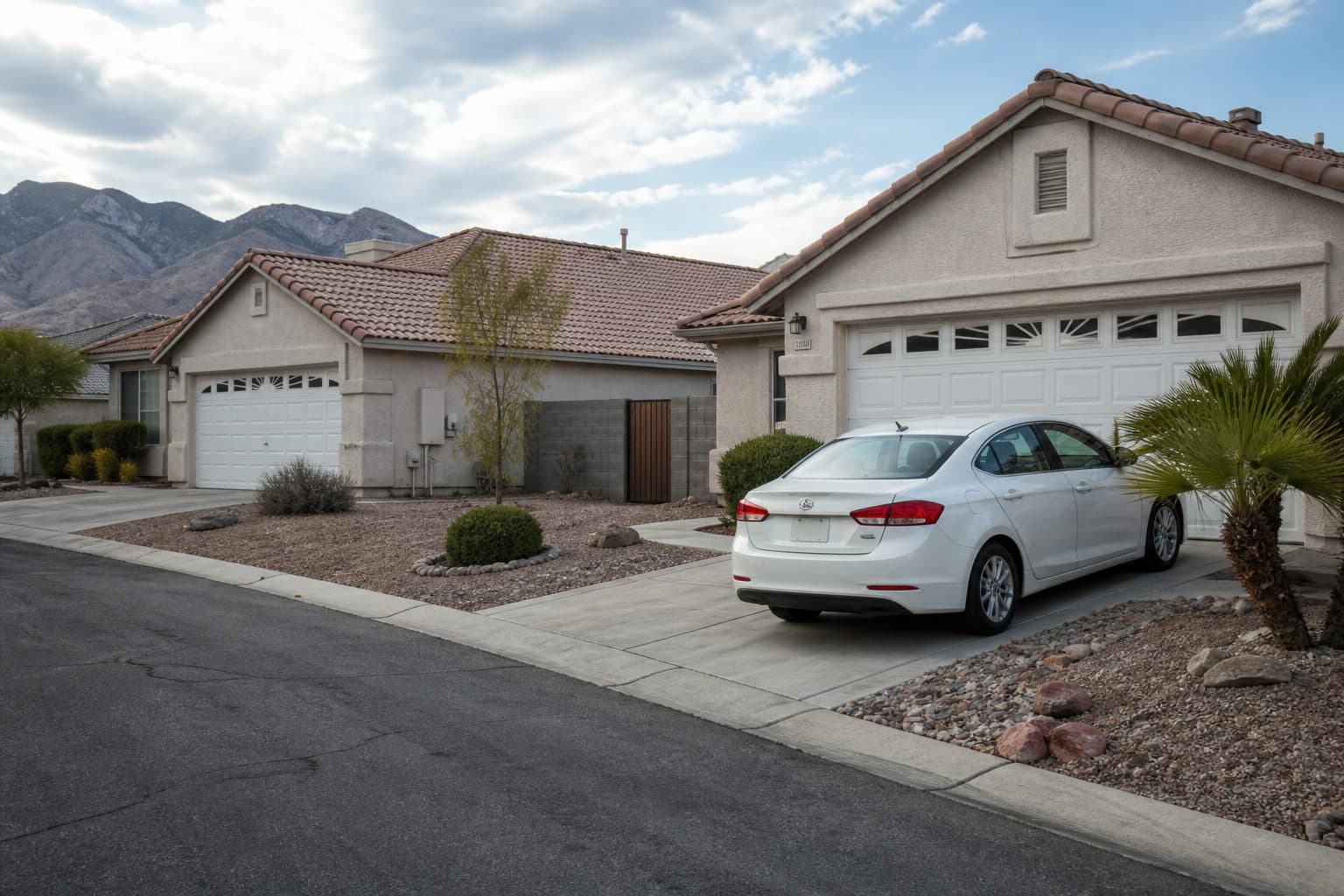
In-person time is reserved for confirmation: maneuvering a specific device, checking a transfer in the actual bathroom, and confirming the arrival sequence. Showings are scheduled with extra time and a known rest point.
What you have to do: Travel to two or three addresses, not twelve.
6. Offer, access notes, close
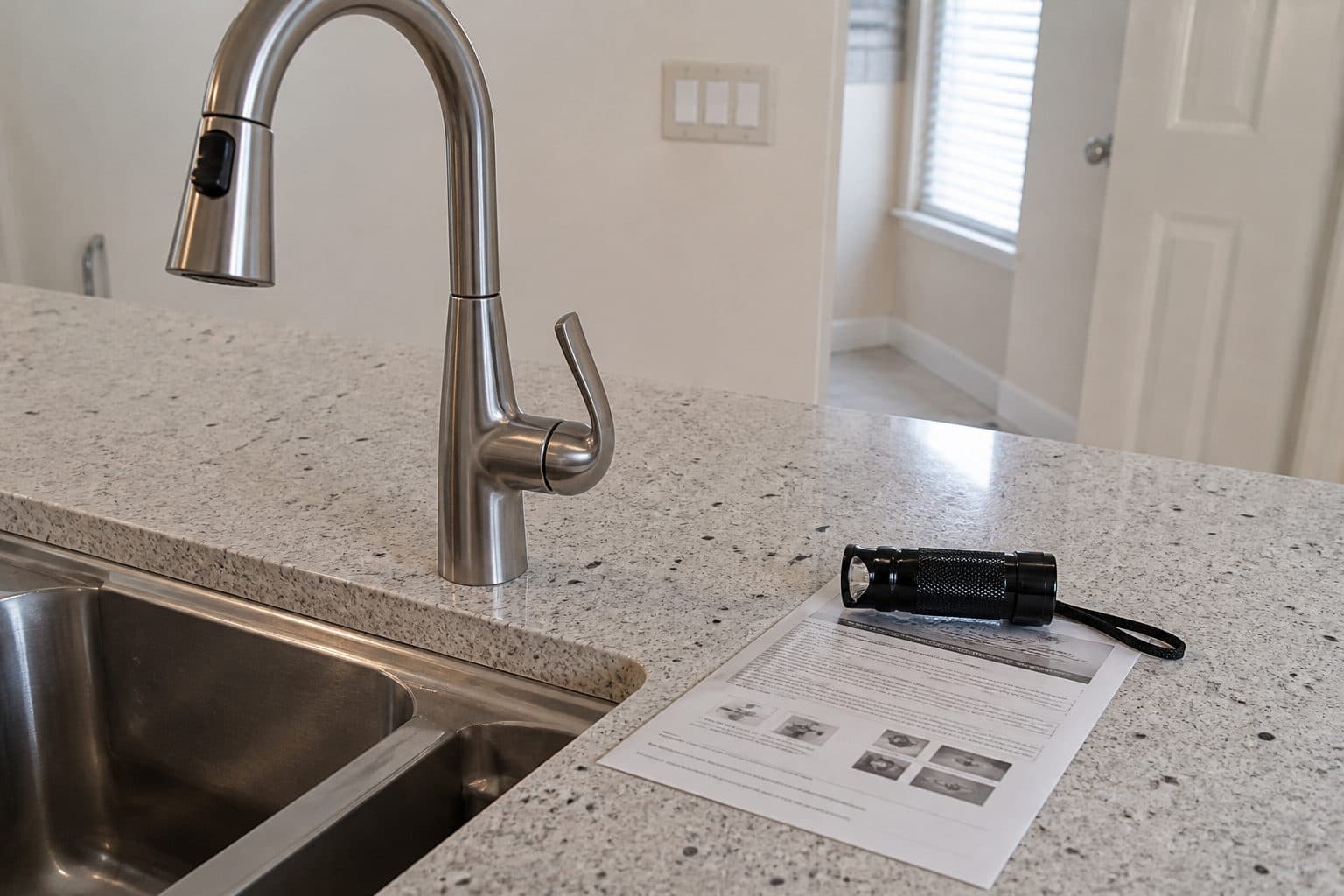
Offers can include repair or modification notes tied to the feature sheet. After acceptance, we keep the same checklist through inspection so a missed curb or a 28-inch door does not appear at walkthrough.
What you have to do: Standard purchase decisions. No extra showing circuit.
Key facts
- Step 1 — Intake: write required, useful, and irrelevant features
- Step 2 — Remote tour first on video
- Step 3 — Measure against the published glossary
- Step 4 — Shortlist two or three finalists
- Step 5 — Visit only the finalists
- Step 6 — Offer, access notes, and close
Frequently asked questions
What is the reduced-showing process?
It is a written sequence that spends physical energy only on listings that already passed a documented access-feature check. Remote work comes first; in-person time is reserved for confirmation.
Do clients have to leave home for every listing?
No. Remote tours and feature sheets happen before drive-outs. Clients travel for the shortlist, not for every active listing.
What does the client have to prepare for intake?
A short list of required access features, optional photos of current equipment, and one call or written note. An in-person intake meeting is optional.
How are features recorded?
Each remaining listing gets a feature sheet with measured door clearances, threshold heights, shower curb, route widths, and lighting notes. The sheet describes the building, not a diagnosis.